

Quick Take
- ATMTA launched the O.rigin season on December 16, starting the second phase of the Z.ink airdrop tied to zXP and zProfile levels.
- Users earn zXP through Star Atlas activities, and higher zProfile levels map to a higher $ZINK allocation share.
- ATMTA says Z.ink targets lower onchain game costs, citing Solana congestion cases where fees reached up to 30% of player earnings.
O.rigin Season Opens a New Airdrop Phase
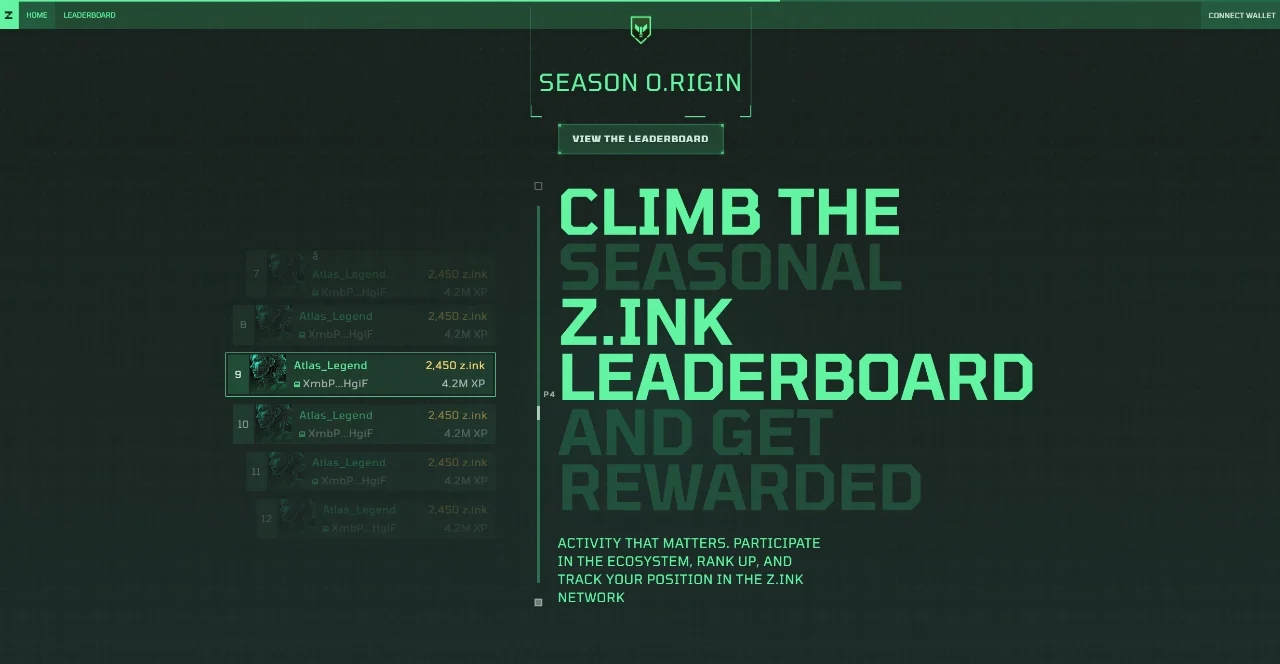
ATMTA, the studio behind Star Atlas, has started “O.rigin,” the latest season in its Z.ink airdrop program. The season went live on December 16, using a points system called zXP that feeds into a user’s onchain identity, the zProfile.
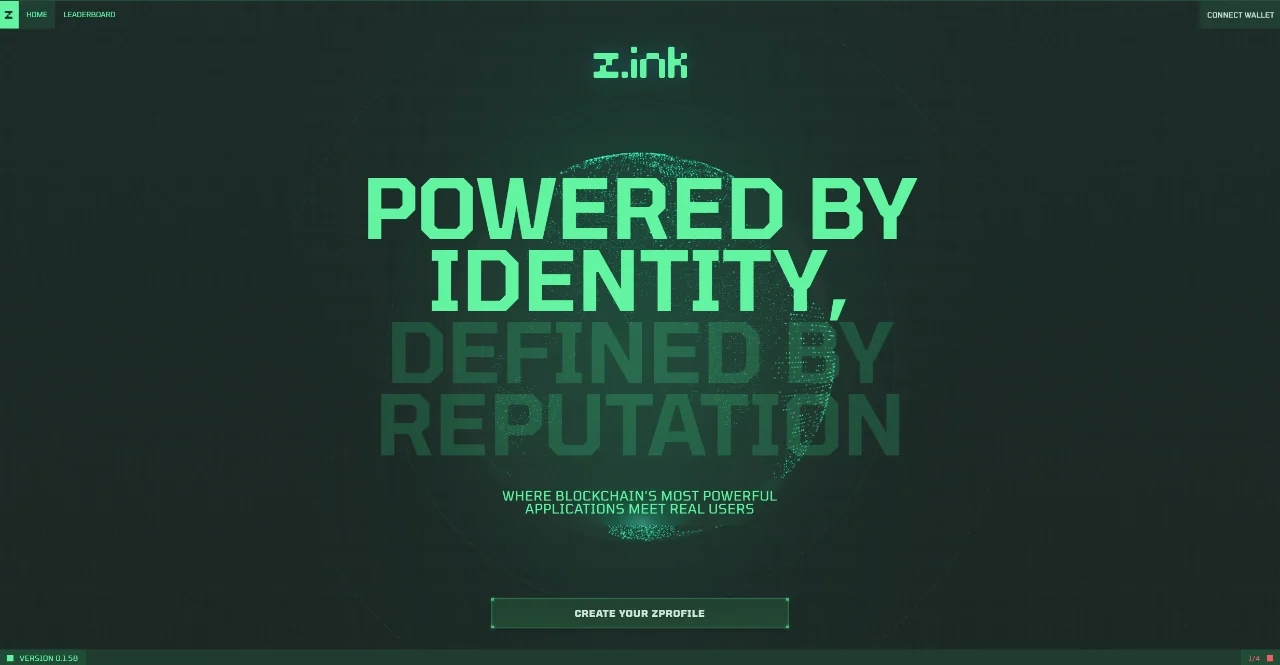
The O.rigin season follows an earlier alpha test that began on October 30. That test period let early users create a zProfile, interact with the system, and begin accumulating zXP.
In ATMTA’s framing, the airdrop runs in seasons and ranks users based on network activity. The more zXP a user earns, the higher their zProfile level climbs, and the larger their future $ZINK allocation share becomes.
Z.ink Positions Itself as an SVM Chain for On-chain Games
In the video describing the program, ATMTA describes Z.ink as a layer 1 blockchain built on the Solana Virtual Machine. The chain has been in development since 2022, with a focus on control, performance, and scalability for games and Web3 applications.
A central design goal is reducing costs for onchain games. ATMTA says Solana congestion has at times led to players losing up to 30% of game earnings in fees. Z.ink uses its own token, $ZINK, and ATMTA says the fee structure mirrors Solana’s while using a much lower base rate. The studio estimates fees can be over 99% cheaper on that base rate model.
How zXP Earnings Tie to $ZINK Allocation
The airdrop system centers on zXP as a gamified points layer tied to a zProfile. Users create a profile at z.ink and then earn zXP from activity across Star Atlas related products and services. In the same video, ATMTA says zProfile levels also give other projects on Z.ink a way to define their own reward rules using this profile data, including level thresholds for eligibility.
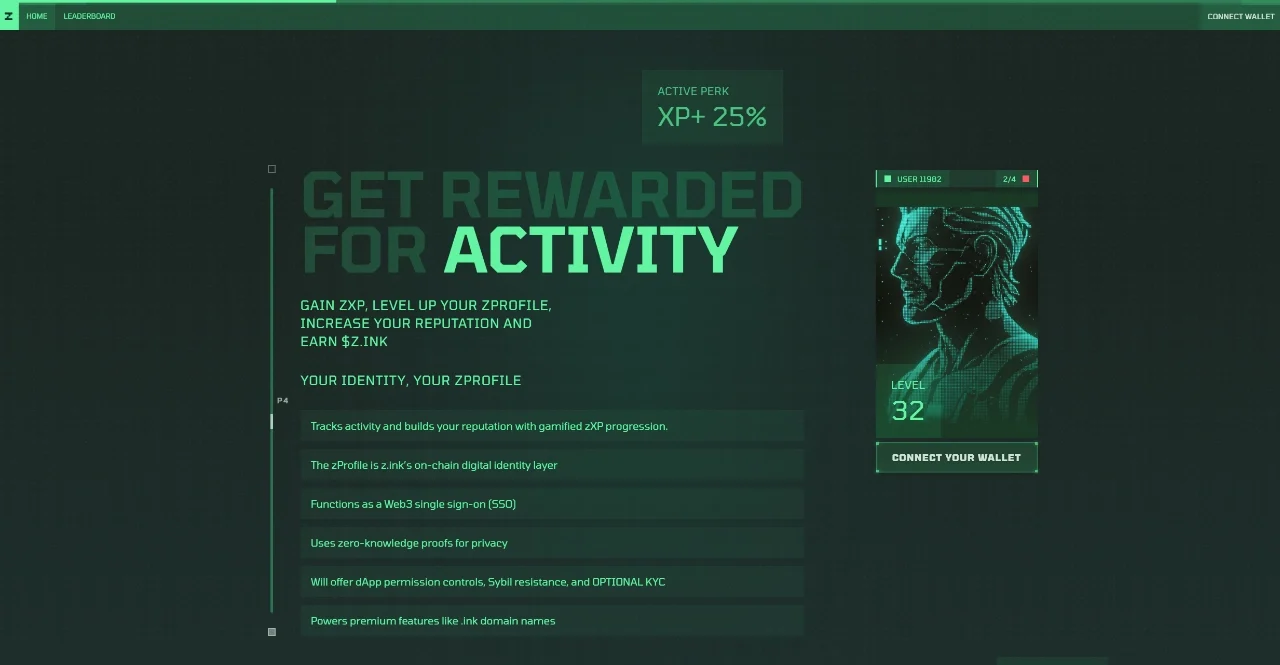
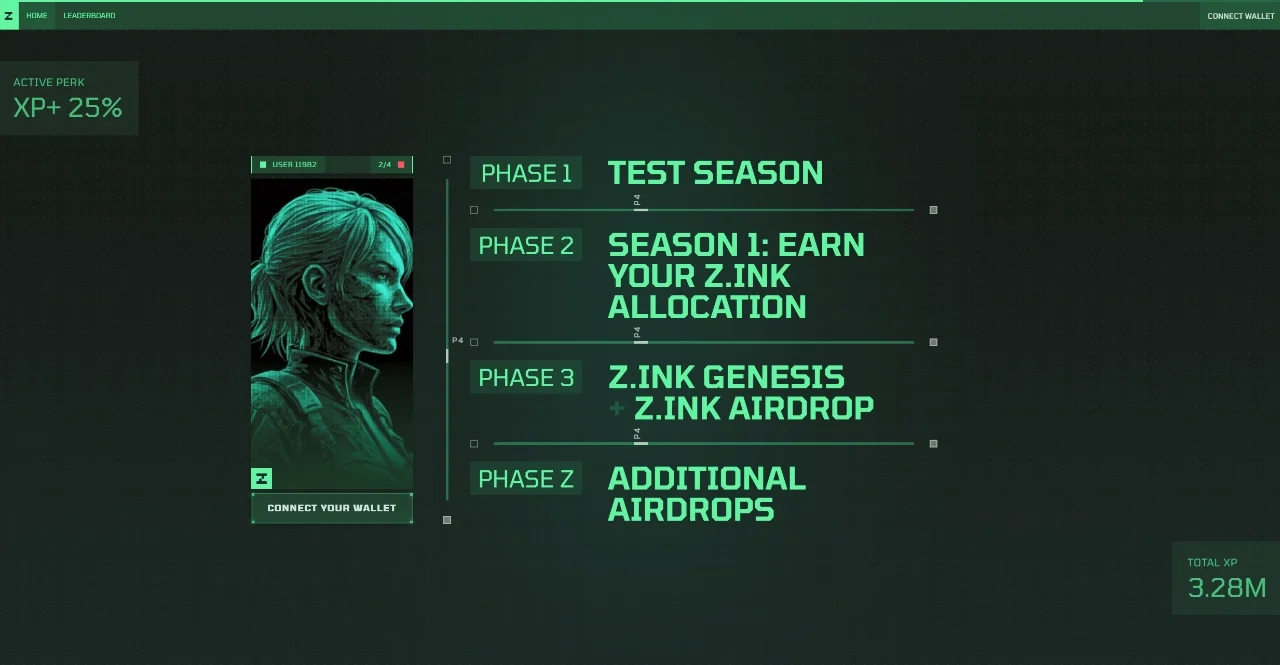
ATMTA also points to a planned “Genesis and airdrop during the first half of 2026,” describing the current period as a time when users can level up their zProfile ahead of the token launch.
How to Earn zXP
Based on the walkthrough, ATMTA highlights several actions that earn zXP, presented in an order that reflects higher zXP potential:
Users can connect a wallet at play.staratlas.com and purchase an item listed by the Star Atlas team on the marketplace. The video also directs users to acquire and lock ATLAS and POLIS tokens through govern.staratlas.com, with zXP tracked and added to profiles every 24 hours.
Gameplay is another track. ATMTA references Star Atlas Golden Era as a browser game where actions like fleet management, mining, scanning, crafting, and other in game activity can yield zXP. The studio also ties Epic Games Store activity to zXP, with users linking their EGS account through the Z.ink dashboard and earning zXP based on in game XP from official shooter and racing matches.
The list also includes Holosim, described as a free to play version connected to Golden Era, available at holosim.staratlas.com.
The video also mentions daily check ins for a zXP boost and a “Z.Ink Club” that adds flat multipliers to zXP earnings.
Where This Fits in Web3 Gaming and Crypto Games
The Z.ink airdrop structure lands as Star Atlas expands its onchain identity and rewards layer across Z.ink. The zProfile system is positioned as a way to measure activity across Web3 gaming, including play-to-earn games and other crypto games that may build on the chain and use profile levels for future campaigns.


